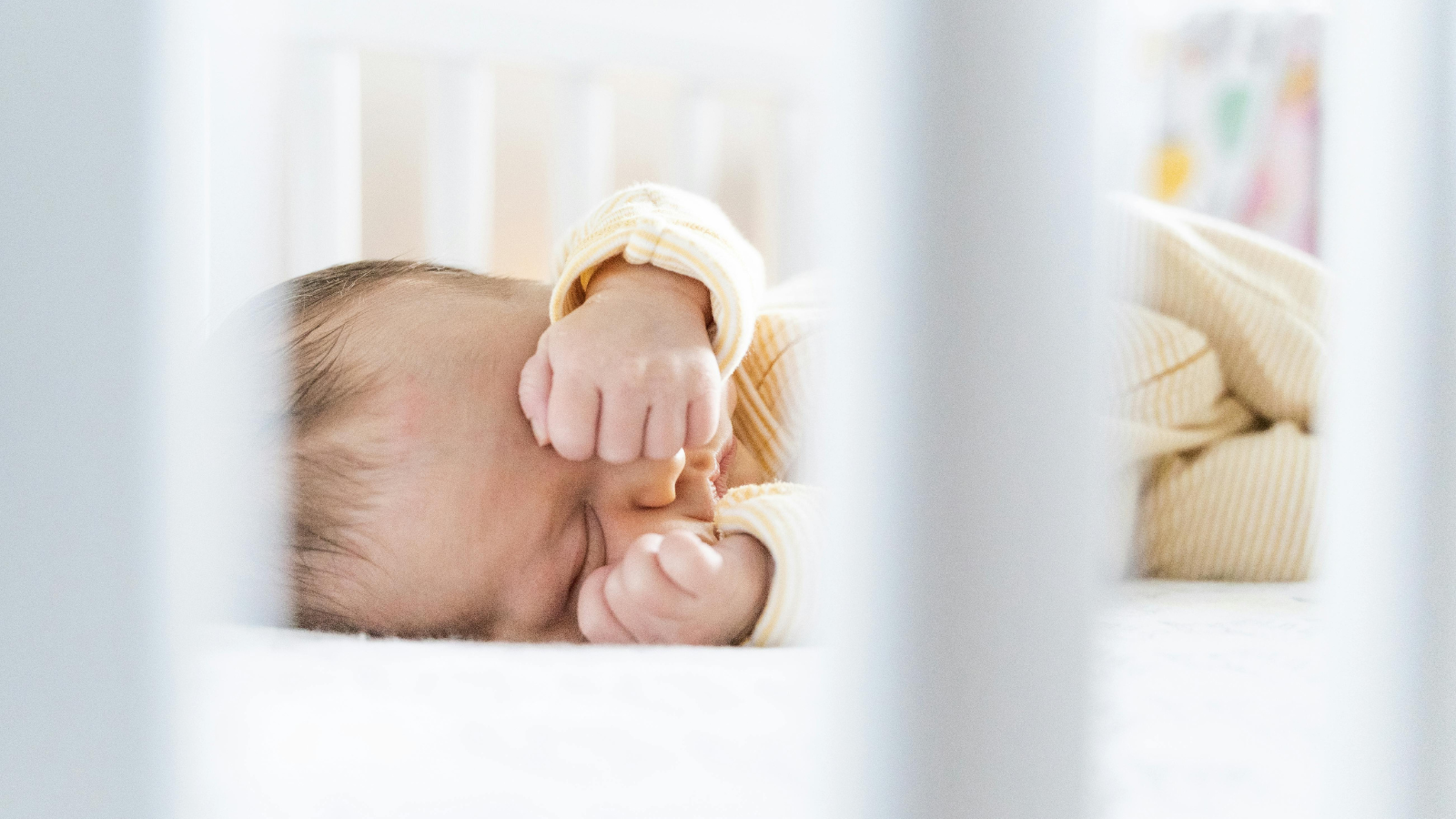
Safe Sleep for Babies
Evidence-based safe sleep guidance following NHS and Lullaby Trust recommendations. Because your baby's safety always comes first.
Why Safe Sleep Comes First
As a certified sleep consultant working with UK families, I help parents improve their baby's sleep every day. But before we discuss wake windows, nap schedules, or settling techniques, we always start with one non-negotiable foundation: safe sleep.
No sleep improvement is worth compromising your baby's safety. That's why every sleep plan I create follows current NHS and Lullaby Trust safer sleep guidance. It's the first thing I check, and it's never negotiable.
In the UK, around 200 babies die suddenly and unexpectedly every year. While we don't fully understand why sudden infant death syndrome (SIDS) happens, decades of research have identified clear, evidence-based steps that significantly reduce risk. Following NHS guidance works — the dramatic drop in SIDS cases since the "Back to Sleep" campaign in the 1990s proves it.
What This Safe Sleep Hub Covers
This resource hub brings together comprehensive, evidence-based safe sleep guidance specifically for UK parents. Every recommendation here follows NHS and Lullaby Trust research and is designed to help you:
- Understand how to reduce SIDS risk through proven safe sleep practices
- Create a safe sleep environment that follows current UK guidelines
- Know exactly what products are safe (and which to avoid)
- Navigate common questions about room temperature, sleeping bags, and bedding
- Make informed decisions about room sharing, bed sharing, and sleep location
- Recognise safe sleep guidance when choosing sleep support or products
Safe Sleep as a Sleep Consultant
When families work with me to improve their baby's sleep, safe sleep is always the first conversation. Before I recommend any sleep strategy — no matter how effective it might be for improving sleep — I make sure it aligns with NHS safer sleep guidance.
This means I will never suggest a sleep approach that compromises your baby's safety, even if it would technically help them sleep longer. Any reputable sleep consultant should follow the same principle.
Safe sleep is the foundation of everything we do. Once that's in place, we can work on helping your baby (and you) get better rest.
Safe Sleep Resources
More safe sleep guides coming soon. Start with the NHS Safe Sleep Guidelines above.
Common Safe Sleep Questions
Quick answers to the most common safe sleep questions from UK parents
What is the safest sleep position for babies?
Always place your baby on their back to sleep, for every sleep. Back sleeping significantly reduces SIDS risk. Once your baby can roll independently both ways (usually 4-6 months), you don't need to reposition them if they roll during sleep.
When can I stop worrying about SIDS?
SIDS risk is highest in the first 6 months, with most cases occurring between 2-4 months. Risk reduces significantly after 6 months and continues to decrease as your baby gets older. However, safe sleep practices should continue throughout the first year.
Should my baby sleep in my room?
Yes — the NHS and Lullaby Trust recommend room sharing (but not bed sharing) for at least the first 6 months. Your baby should sleep in their own cot or Moses basket in your room, which significantly reduces SIDS risk.
What temperature should my baby's room be?
The ideal room temperature is between 16°C and 20°C (61-68°F). Babies can overheat easily, and overheating is a known risk factor for SIDS. Use a room thermometer and dress your baby appropriately for the temperature.
Related Safe Sleep Topics
Detailed guides on these topics coming soon
Safe Room Temperature
Coming soonBaby Sleeping Bags Guide
Coming soonUnderstanding SIDS
Coming soonBed Sharing Safety
Coming soonTravel Cot Safety
Coming soonSafe Sleep Products
Coming soonRelated Sleep Advice
Build on safe sleep foundations with age-appropriate schedules and guidance
Official NHS & Lullaby Trust Guidance
All guidance on this page follows current NHS and Lullaby Trust safer sleep recommendations. For the most up-to-date official advice, visit:
- NHS: Reduce the risk of sudden infant death syndrome (SIDS)
- The Lullaby Trust: Safer Sleep for Babies
If you have specific questions or concerns about your baby's sleep safety, speak to your health visitor, GP, or a certified sleep consultant who follows evidence-based safer sleep guidance.
Need Help With Your Baby's Sleep?
Every sleep plan I create follows NHS safer sleep guidance. Your baby's safety always comes before improving sleep.