What does a baby actually need to sleep well?
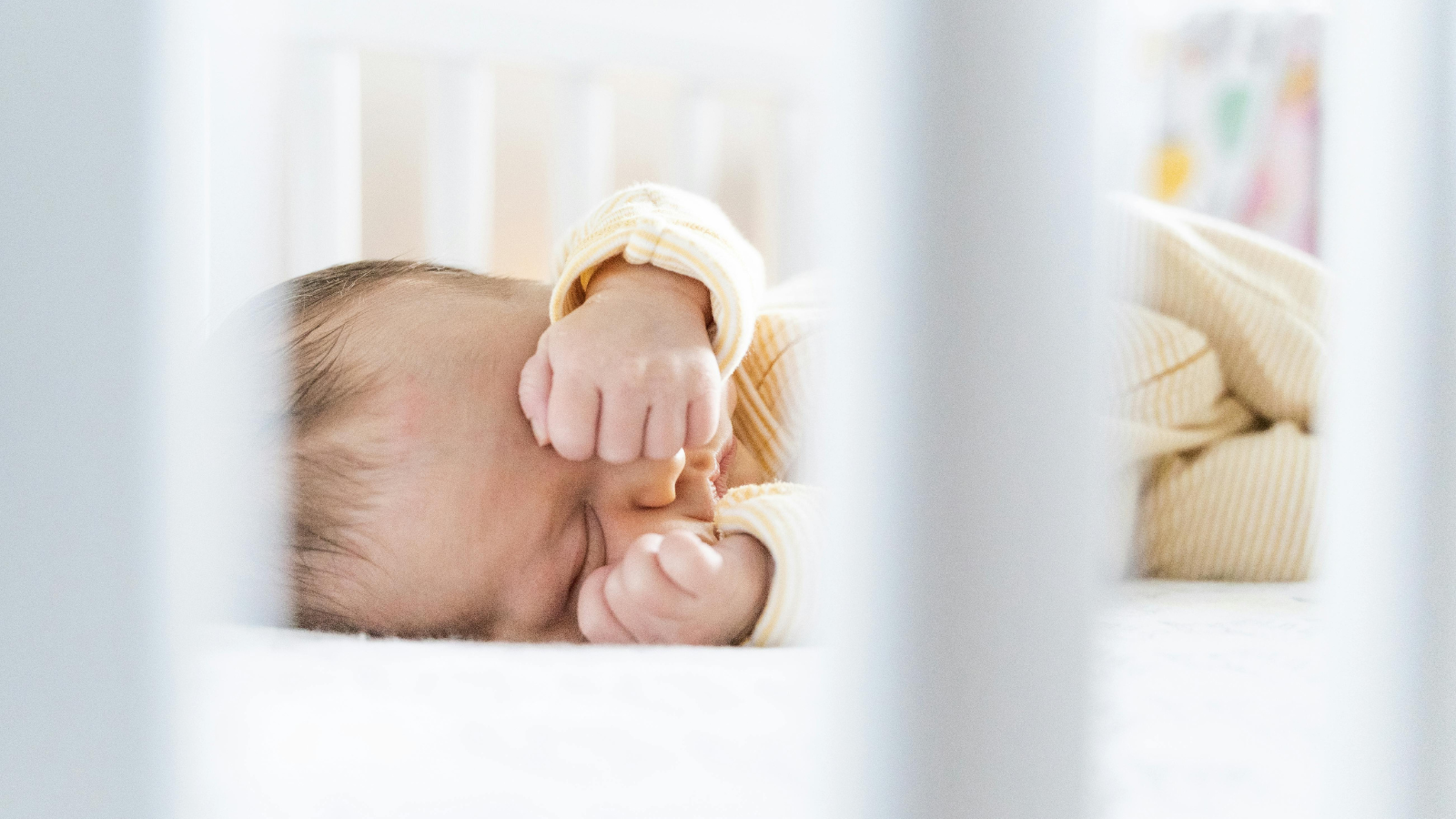
Less than the baby aisle suggests. A cot or crib meeting safety standards, with a firm, flat mattress and nothing else in it. A dark room. A consistent, boring sound environment. Comfortable temperature, appropriate sleepwear. That's the complete list of needs, everything beyond it is either convenience for you (legitimate) or marketing (abundant). The most expensive sleep setups and the most effective ones overlap surprisingly little. (Safe Sleep)
Do blackout blinds really make a difference?
For naps and early mornings, more than almost anything else you can buy. Light is the body clock's strongest signal, a room that glows at 5am on a June morning is actively ending your baby's night, and a bright room at 1pm is working against the lunch nap. The test is simple: stand in the room at nap time; if you can read comfortably, it's not dark enough. This is the single purchase most likely to visibly change sleep, especially for early wakers. (Early Morning Wakings)
Is white noise worth it?
Yes, used correctly (it works by masking, not magic. Continuous, monotonous sound covers the doorbell, the sibling, the neighbour's car door at exactly the fragile moment between sleep cycles. Correctly means: on for the whole sleep (not auto-off after 20 minutes, which removes the mask at the worst time), at a moderate volume, placed away from the cot. It won't make a baby with a schedule problem sleep (it stops an otherwise-good sleep being broken by the world.
What about swaddles and sleeping bags?
Sleeping bags are the safest way to keep a baby warm, correct size and season-appropriate tog, replacing all loose bedding until at least 12 months. Swaddling divides opinion; if you swaddle, it must stop at the very first sign of rolling, without exception. From then on, a sleeping bag does the same comfort job safely, and the consistency of the same bag every night quietly becomes part of the bedtime signal itself. (Safe Sleep)
What can I skip?
Most of it. Motion-simulating cots and elaborate soothing machines can help a newborn settle but often become the very association you'll later need to unwind. Sleep-positioning products, nests and wedges don't meet safer sleep guidance regardless of price. Trackers and monitoring socks mostly generate anxiety in healthy babies. And nothing sold in a box resolves a problem caused by wake windows or feeding-to-sleep, if a product claims to, the money is better spent on blackout. When unsure whether a product is safe at all, the Lullaby Trust's product guidance is the checkpoint. (the relevant essentials articles)